3D
Product
Visuals
3D product visualization is not just about rendering images — it is about controlling perception, building consistency, and presenting products with clarity. In modern branding, visuals are not optional; they define how a product is understood, valued, and remembered.
Control That Defines Quality
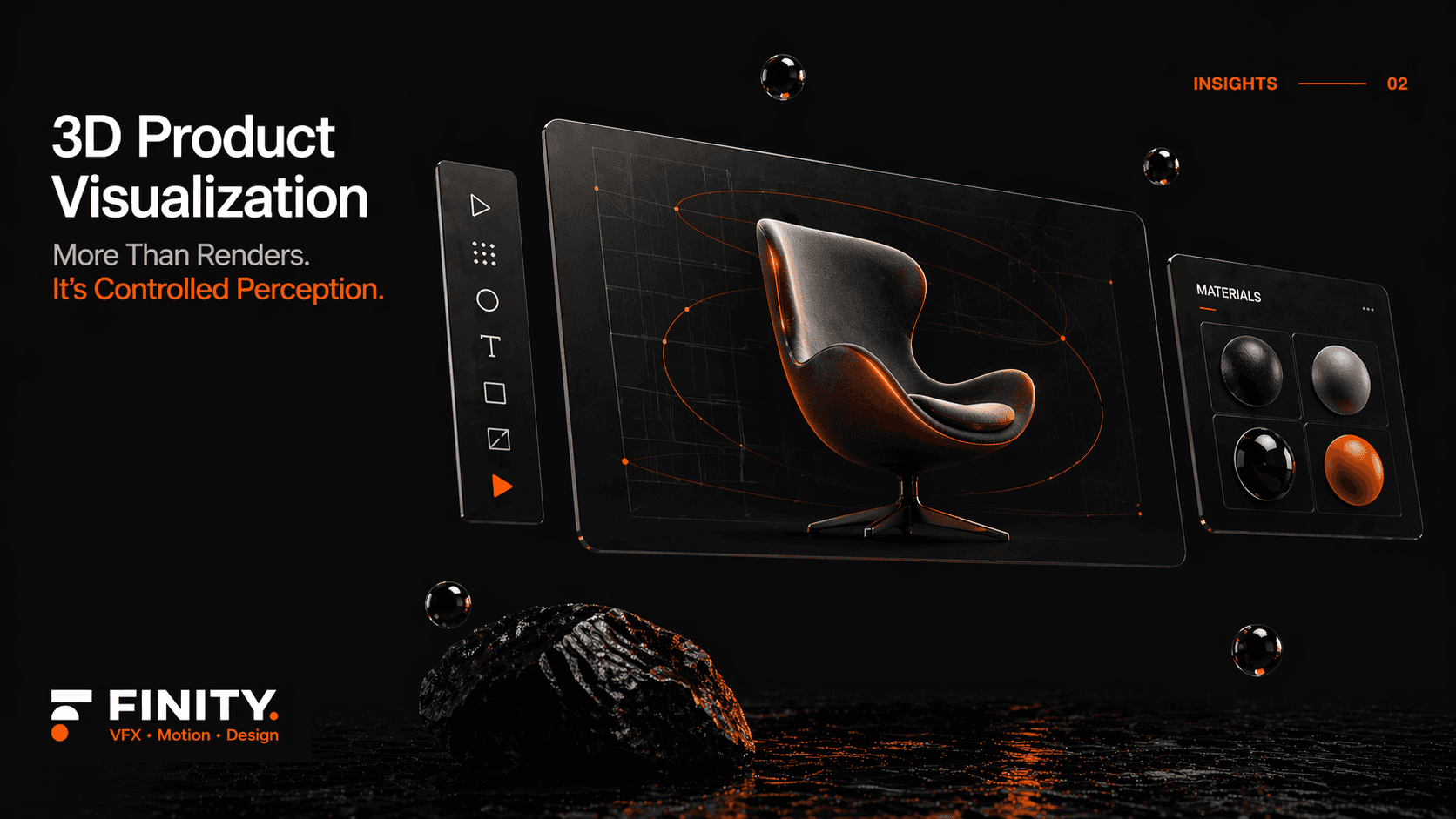
3D visualization gives brands full control over how a product is presented — from lighting and materials to camera angles and environments. Unlike traditional photography, where outcomes depend on physical conditions, 3D allows precise adjustments without reshooting. This level of control ensures consistency across campaigns, platforms, and formats. Every frame can be refined to match brand tone, making visuals feel intentional rather than situational. It is not just about flexibility, but about maintaining a standard that reflects the product’s true value.
This control also enables faster iteration. Brands can test variations, explore multiple directions, and refine details without increasing production complexity. Whether it is a subtle material change or a complete scene adjustment, everything can be handled efficiently. This makes 3D not just a creative tool, but a strategic advantage — reducing dependency on logistics while improving visual precision and output quality.
3D Visualization, Product
30th June 2026
Built for Consistency
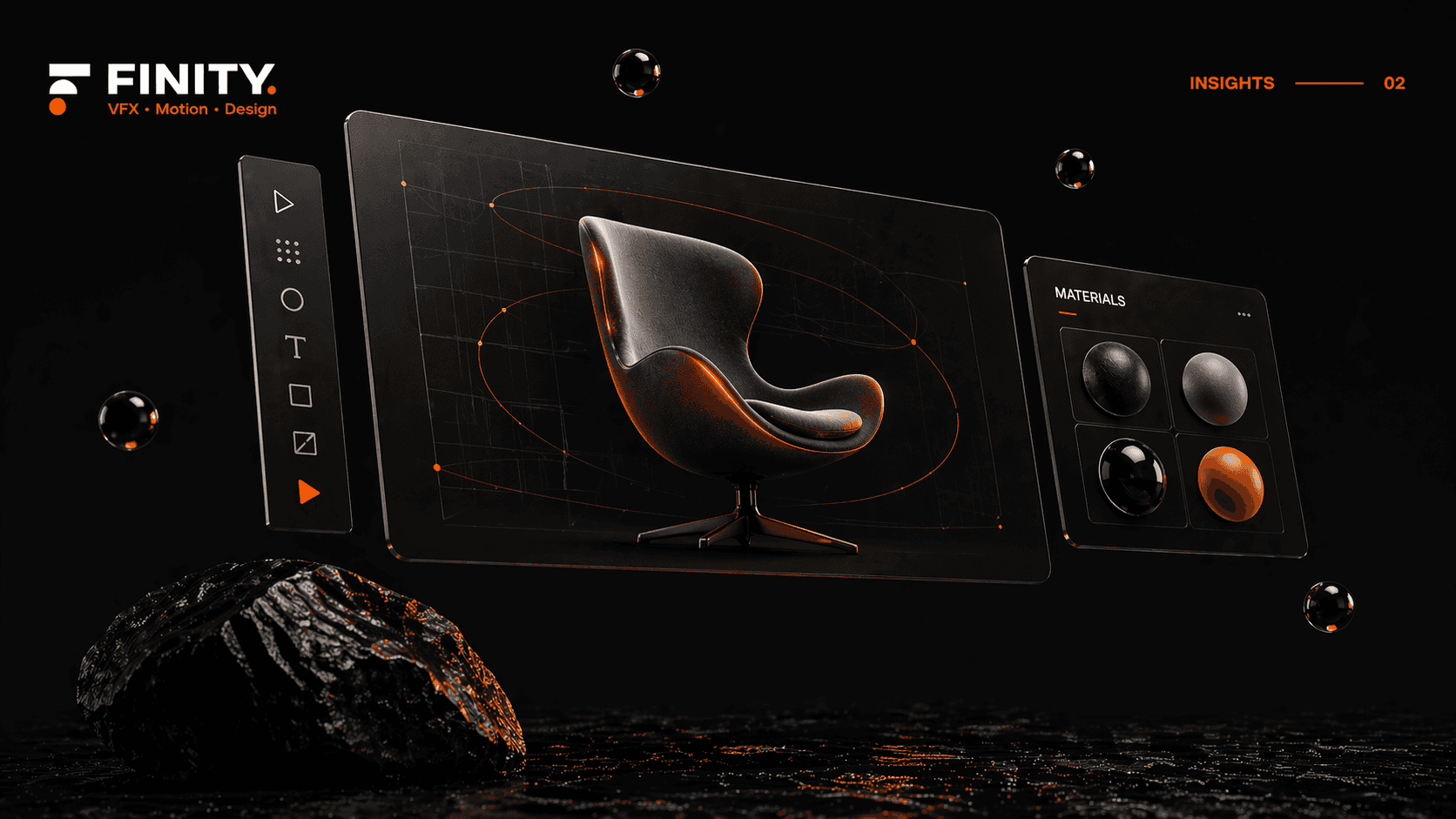
Consistency is one of the biggest challenges in product communication. Across platforms, campaigns, and formats, maintaining a unified visual language is difficult with traditional methods. 3D visualization solves this by creating a controlled system where every output follows the same lighting logic, material accuracy, and composition principles.
This results in visuals that feel connected, regardless of where they appear. Whether it is an e-commerce listing, a social campaign, or a brand film, the product maintains the same identity. This consistency builds trust and reinforces brand perception over time. Instead of disconnected visuals, brands create a unified experience that feels structured, reliable, and premium.
What Actually Works
Effective 3D visualization is not driven by tools alone. It requires strong visual judgement, reference-based thinking, and attention to detail. Without direction, renders may look technically correct but lack realism and depth. Many outputs fail because they prioritize effects over clarity.
Strong 3D work focuses on subtle details — reflections, textures, scale, and lighting balance. It avoids unnecessary complexity and emphasizes realism. When direction leads and execution supports it, the result feels natural and premium. This is where 3D moves beyond visuals and becomes a reliable system for communication.