Motion
Design
For Brands
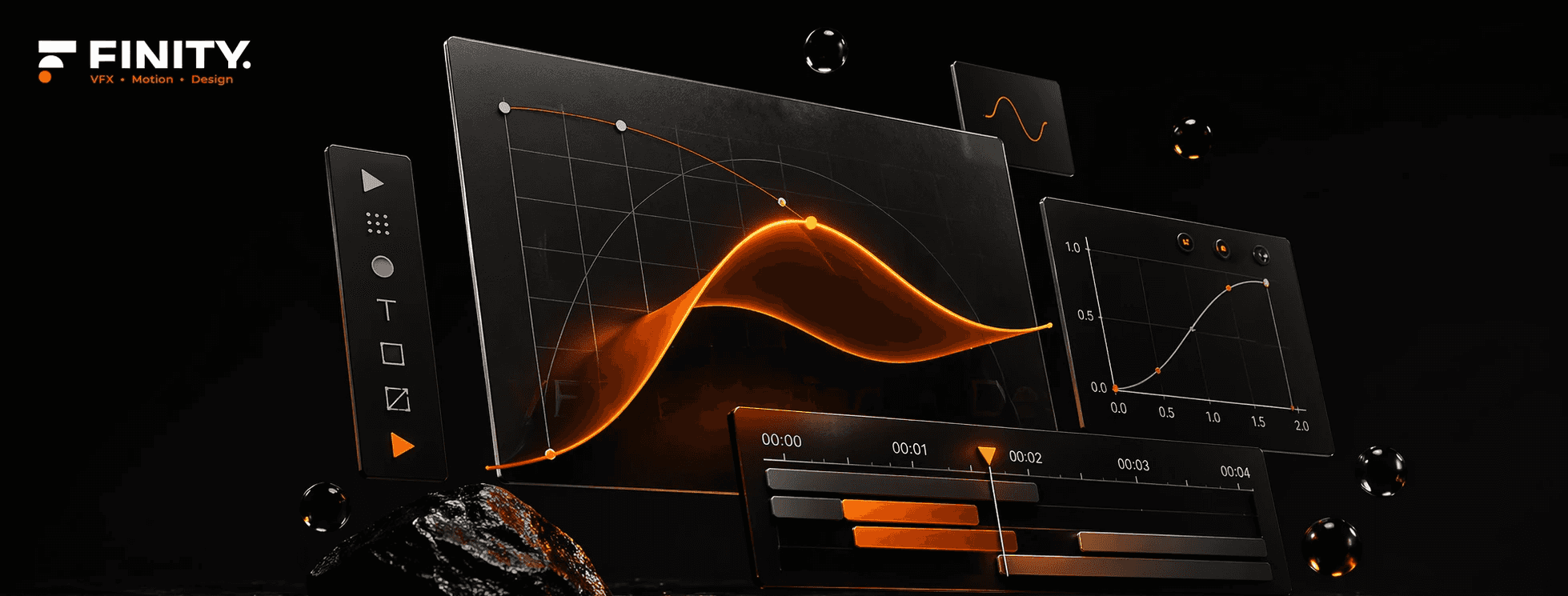
Motion design is not just about animation — it is about structuring communication, guiding attention, and delivering clarity in seconds. In fast-moving digital environments, brands need more than static visuals. They need motion that helps users understand, engage, and respond instantly.
Clarity Through Motion
Motion design helps brands communicate ideas with clarity by structuring information through movement. It is not about adding animation for visual appeal, but about guiding attention and building hierarchy. When used correctly, motion reduces confusion and makes complex ideas easier to understand. Every transition, timing choice, and visual shift plays a role in how the message is received. This allows brands to communicate faster without overwhelming the audience.dding movement for visual appeal, but about structuring information so it becomes easier to understand. Brands use motion to guide attention, create hierarchy, and improve retention across platforms. When done correctly, motion reduces cognitive load and allows complex messages to feel simple. It also ensures consistency across digital touchpoints, making communication more scalable and efficient across campaigns and brand experiences.
It also improves engagement by creating a sense of flow. Instead of static frames, users experience a guided sequence that feels natural and intuitive. This makes communication more effective across platforms, whether it is a product video, a landing page, or a brand film. Motion design ensures that information is not just presented, but experienced in a structured way.
Motion Design, Brand in Motion, Branding
30th May 2026
Built for Attention
In digital environments where attention is limited, motion design helps brands stand out by creating clarity instead of noise. It directs focus, highlights important elements, and improves retention. Rather than competing for attention with excessive effects, it uses controlled movement to guide the viewer.
This approach creates visuals that feel intentional and premium. When motion is aligned with brand tone, it strengthens perception and builds trust. Instead of distracting the viewer, it supports the message. This balance between movement and restraint is what separates effective motion design from decorative animation.
What Actually Works
Effective motion design starts with clear thinking. It requires understanding the message, structuring the narrative, and aligning with brand identity before execution begins. Without this foundation, motion becomes random and loses its purpose.
Strong motion design uses minimal movement with maximum intent. It focuses on clarity, timing, and control rather than complexity. When direction leads and execution supports it, the result feels simple, natural, and meaningful. This is where brands move from visual noise to structured communication that works.